House painting is easier to plan when it is not treated as only a color decision. For Sacramento-area homeowners, a better way to think about an exterior painting project is to look at three connected goals: protecting the home during the work, improving how the home looks, and supporting easier maintenance after the project is finished.
Those goals may sound simple, but they affect the questions a homeowner asks before hiring, the details included in an estimate, and the expectations around preparation, cleanup, timing, and long-term care.
A painting project can feel unclear when every conversation starts with color, price, or schedule. Those things matter, but they are not the whole picture. A home’s exterior also includes trim, siding, stucco, doors, railings, patio areas, landscaping, walkways, windows, and other surfaces that need to be handled carefully. Planning ahead helps homeowners understand whether a quote is simply about applying paint or whether the provider is thinking through the full project environment.
A Good Paint Plan Starts Before Color Selection
Many homeowners begin by imagining the finished look. That is natural. Fresh paint can change how a home feels from the street, how trim stands out, and how welcoming the entry area appears.
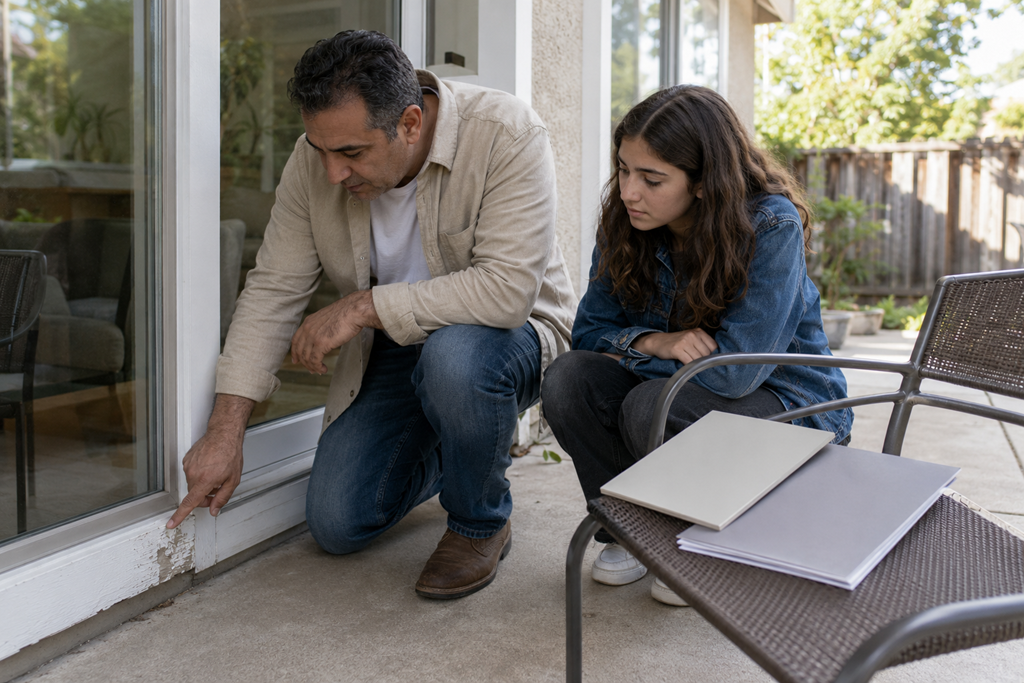
But the final appearance depends heavily on what happens before paint is applied. Peeling areas, chalky surfaces, worn trim, sun-exposed walls, stained sections, and damaged wood can all affect the result. If those conditions are not discussed early, a homeowner may feel surprised later when preparation takes longer, costs more, or changes what is realistic.
This does not mean every home needs major repair before painting. It means appearance planning should include a basic conversation about surface condition. Before comparing providers, it helps to ask how they evaluate areas that may need cleaning, scraping, sanding, patching, caulking, priming, repair, or other preparation.
The goal is not to become a painting expert. The goal is to understand whether the provider is looking at the home carefully enough to explain what the project may require.
Protection Is Part Of The Project, Not An Afterthought
Exterior painting often happens around everyday parts of the home that matter to the homeowner: shrubs, patio furniture, walkways, lighting, gates, windows, outdoor kitchens, potted plants, driveways, and neighboring property lines.
A clear painting plan should account for what needs to be covered, moved, taped, shielded, cleaned, or avoided during the project. This is especially important when the home has mature landscaping, decorative trim, tight side yards, outdoor living areas, or surfaces close to windows and doors.
Protection also includes how the work area will be left at the end of each day. Homeowners may want to know whether tools, coverings, ladders, and materials will be organized in a way that keeps walkways usable and the property reasonably tidy.
This is one reason the lowest or quickest quote is not always the easiest to understand. A shorter estimate may not explain whether protection, cleanup, surface preparation, or detailed trim work is included. When those details are missing, homeowners may have a harder time comparing providers fairly.
Appearance Depends On More Than The Paint Color
Choosing a color is only one part of planning how the home will look. The finish, surface condition, trim contrast, existing materials, sun exposure, and surrounding features can all affect how the final result appears.
Sacramento-area homes can have strong sunlight, dry conditions, shaded areas under eaves, and exterior surfaces that weather differently from one side of the home to another. One wall may look faded while another still looks fairly smooth. Trim near doors, windows, and porch areas may show wear before larger wall sections do.
That unevenness can make homeowners wonder whether they need a full repaint, targeted repair, color adjustment, or simply a better explanation of what is happening. A qualified painting professional can help evaluate those conditions, but the homeowner should still know what to ask.
A helpful estimate should make it easier to understand which surfaces are included, which areas need extra attention, and whether the provider sees any issues that could affect the finished appearance. If the conversation jumps straight from color to price without discussing the home’s current condition, important details may be missed.
Maintenance Should Be Discussed Before The Work Begins
House painting is often viewed as a one-time project, but it also affects future maintenance. The way surfaces are prepared, protected, repaired, and coated can influence how easy it is to monitor the home later.
Maintenance planning does not have to be complicated. It may involve asking which areas of the home tend to wear first, how to recognize early signs of peeling or fading, and whether certain trim, doors, railings, or sun-exposed sections may need more attention over time.
This is also where expectations matter. Paint is not a permanent shield against weather, age, sun, moisture, or surface movement. It can improve appearance and help protect surfaces, but it does not erase underlying problems. If a provider notices damaged wood, failing caulk, moisture concerns, or areas where old paint is not bonding well, those issues should be explained before the homeowner commits to the project scope.
A good maintenance conversation helps the homeowner understand what the painting project can reasonably address and what may need separate repair or future monitoring.
The Estimate Should Help You Compare More Than Price
When homeowners compare house painting estimates, it is easy to focus on the final number. Price matters, but it is hard to compare quotes if each one includes different assumptions.
One provider may include more preparation. Another may include more detailed protection for landscaping and patio areas. Another may be quoting only the most visible surfaces. Some estimates may clearly explain cleanup, materials, number of coats, trim areas, repairs, and exclusions. Others may leave those details vague.
A useful estimate should help answer questions such as:
- Which surfaces are included?
- What preparation is expected before painting?
- How will landscaping, windows, walkways, fixtures, and outdoor living areas be protected?
- Are repairs included, excluded, or priced separately?
- What could affect timing once the project begins?
- How will cleanup be handled during and after the job?
- Which areas may need the most maintenance later?
These questions do not need to turn the consultation into an interrogation. They simply help the homeowner understand whether the provider is communicating clearly and whether the scope matches the home’s actual needs.
Common Planning Mistakes That Create Confusion
One common mistake is treating painting as a simple cosmetic update when the exterior has signs of wear. A homeowner may focus on color samples while overlooking peeling trim, cracked caulk, faded siding, or rough patches near doors and windows.
Another mistake is assuming all painting quotes include the same level of preparation and protection. Two estimates can look similar at first glance but cover very different work.
A third mistake is waiting until the project starts to ask about cleanup, access, pets, patio furniture, gates, plants, or outdoor equipment. These details may seem small, but they affect how smooth the project feels day to day.
It is also easy to assume that fresh paint will solve every exterior issue. Paint can improve appearance and help protect properly prepared surfaces, but it cannot fix every underlying condition. When a surface problem needs repair, that should be discussed directly before the final scope is set.
Clear Communication Makes The Project Easier To Understand
A homeowner does not need to know every technical detail of house painting before hiring a local pro. What matters is whether the conversation covers the right categories: what will be protected, what appearance issues need attention, and what maintenance expectations should be understood.
Clear communication can make the project feel less uncertain. It helps the homeowner know what is included, what is not included, what may change after closer inspection, and which parts of the home need the most attention.
For Sacramento homeowners, planning around protection, appearance, and maintenance can turn a vague painting project into a more informed local service decision. Instead of asking only, “How much will it cost?” or “What color should we choose?” the homeowner can ask better questions about the full project environment.
That does not make the decision complicated. It makes it clearer. A house painting project is easier to evaluate when the estimate, conversation, and expectations all reflect the way the home is actually used, seen, and maintained.