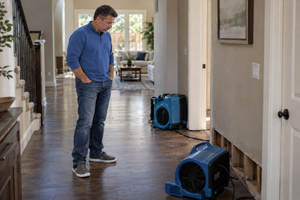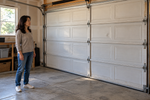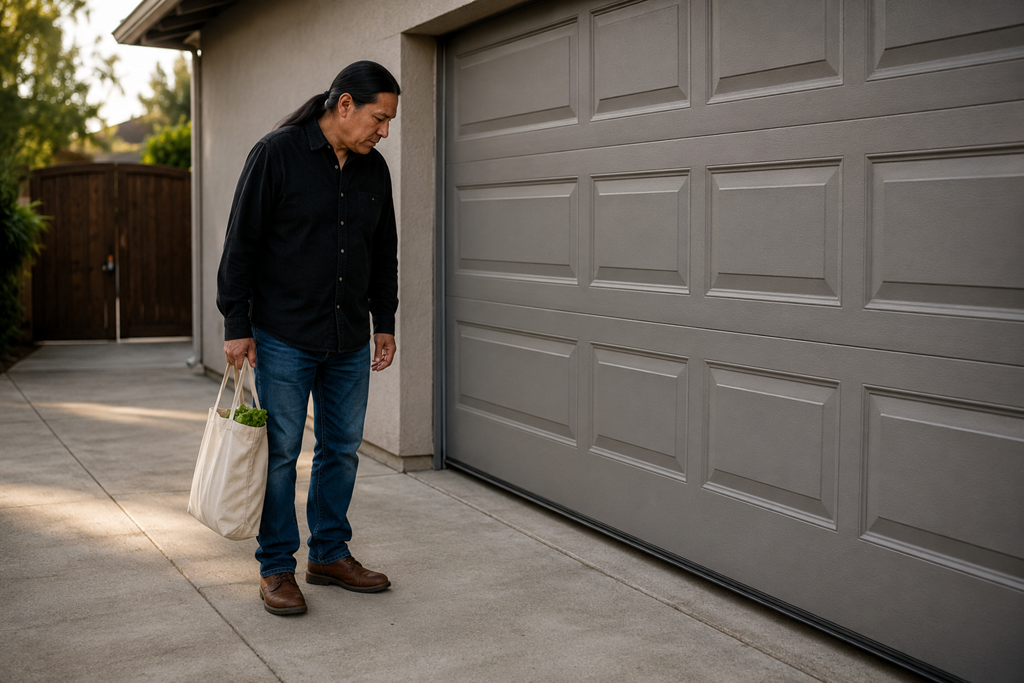
Garage door wear often shows up as small changes before it becomes an obvious problem. A door that moves a little unevenly, sounds different than usual, leaves a new gap near the floor, shakes more than it used to, or needs extra attention from the opener may be showing early signs that something is changing.
For Sacramento-area homeowners, the goal is not to diagnose every part of the system yourself. The goal is to notice changes early enough to ask better questions before scheduling service, comparing repair options, or waiting until the door becomes harder to use.
Small Changes Can Be Easy To Dismiss
A garage door is one of those home features people use almost automatically. You press the button, hear the door move, and keep going. Because the routine is so familiar, early wear can blend into the background.
Maybe the door sounds a little louder in the morning. Maybe it hesitates before opening. Maybe one side seems to settle lower than the other. Maybe the weather seal no longer sits evenly against the concrete. None of these details automatically means something serious is happening, but they are worth noticing.
Early garage door wear is often less about one dramatic warning sign and more about a pattern of change. The door does not feel, sound, or move quite the way it used to.
What Early Wear May Look And Sound Like
One of the clearest signs of early wear is a change in movement. A garage door that used to open smoothly may begin to jerk, wobble, or pause in a way you did not notice before. The opener may still work, but the motion may feel less steady.
Sound can also be useful. A garage door does not have to be silent, but new grinding, scraping, rattling, popping, or straining sounds can suggest that parts are under more stress than before. The important detail is the change from normal, not whether the door makes any sound at all.
Fit matters too. A door that no longer closes evenly, leaves daylight under one side, or appears slightly crooked when fully closed may be showing wear in the system. Weather seals can also wear down, flatten, crack, or pull away over time, especially when exposed to heat, sun, dust, and regular use.
Visual clues may include loose-looking hardware, bent-looking sections, fraying cables, worn rollers, or tracks that seem out of alignment. These are observation points only. Garage door parts can be under heavy tension, so homeowners should avoid touching or adjusting parts that could be unsafe.
Why These Signs Matter Before There Is A Breakdown
Early wear matters because garage doors are heavy moving systems. A small change in movement can affect how the opener works, how the door seals, how the panels line up, and how reliably the door opens or closes.
Noticing early signs can also help when talking with a local garage door service provider. Instead of saying, “Something is wrong with the door,” you can describe what changed: the sound, the timing, the gap, the shaking, or the side where the door seems uneven.
That kind of detail can make the service conversation clearer. It can also help you understand whether the provider is listening carefully, explaining options plainly, and separating observation from assumption.
Normal Aging Is Not Always The Same As A Repair Need
One common misunderstanding is assuming every sign of wear means an immediate major repair. Garage doors age through normal use. Rubber seals flatten. Hinges and rollers experience wear. Panels may show minor cosmetic changes. Openers may sound different as parts age.
At the same time, normal aging should not be ignored when it starts affecting movement, fit, safety, or reliability. The key is not to panic, but also not to dismiss a change simply because the door still opens.
A helpful way to think about it is this: if the door still works but behaves differently than it used to, that is a good moment to pay attention. It may be a minor adjustment, a worn part, an opener issue, or something that needs a professional look. The point is to avoid guessing.
The Pattern Matters More Than One Moment
A garage door may occasionally sound different because of temperature, dust, or a one-time obstruction. One strange sound does not always mean there is a growing problem.
Patterns are more useful. Does the noise happen every time? Is the door getting slower? Is the gap getting wider? Does the opener seem to work harder than before? Does the door reverse unexpectedly or fail to close consistently?
Writing down what you notice can help before you call a service provider. A few plain details are enough: when the issue happens, what it sounds like, where the door looks uneven, and whether the problem is getting more frequent.
This does not need to become a technical inspection. It is simply a way to describe the problem clearly before making a local service decision.
Early Signs Are Often Not About The Opener Alone
Many homeowners assume that if a garage door struggles, the opener must be the problem. Sometimes the opener is involved, but it is not the only possibility.
A garage door opener works with the rest of the door system. If the door is becoming harder to move, uneven, or poorly balanced, the opener may sound strained even if the opener itself is not the original issue. This is one reason professional evaluation can be useful.
Before replacing an opener or approving a repair, it is reasonable to ask whether the door system itself was checked. A clear provider should be able to explain what they observed in plain language without pressuring you into a decision.
Questions Worth Asking A Garage Door Professional
When early wear starts to show, the right questions can help you understand the service recommendation without turning the conversation into a technical manual.
You might ask:
What signs of wear are you seeing on the door system?
Is this mainly a maintenance issue, a repair issue, or a replacement discussion?
Are any parts showing wear that could affect safe operation?
What should I watch for after the service?
Is the issue connected to the opener, the door hardware, the seal, or the door movement?
These questions help keep the conversation focused on observations, options, and expectations. They also make it easier to compare recommendations if you speak with more than one local provider.
Red Flags In The Service Conversation
The way a garage door issue is explained can matter as much as the issue itself. Be cautious if a provider cannot clearly explain what they observed, pressures you into a major decision without showing why, or uses vague language that makes the problem sound worse than it is.
A helpful provider should be able to explain the difference between visible wear, possible causes, safety concerns, and recommended next steps. They do not need to overwhelm you with technical details, but they should give you enough information to understand the reasoning.
For Sacramento homeowners comparing local garage door services, clear communication is part of the decision. You are not only evaluating the door. You are also evaluating whether the recommendation makes sense.
A Better Way To Respond To Early Wear
The best response to early garage door wear is simple observation followed by informed action. Notice what changed. Avoid touching high-tension parts or trying unsafe adjustments. Describe the issue clearly when you contact a professional. Ask what was found, what matters now, and what can reasonably wait.
Early signs do not always mean a major problem, but they can give you a better chance to make a thoughtful service decision before the door becomes unreliable. When you understand what to notice, you are better prepared to ask useful questions, compare recommendations, and choose a local garage door professional with more confidence.