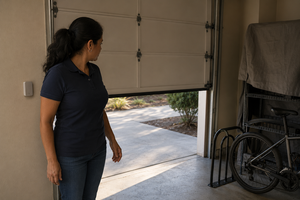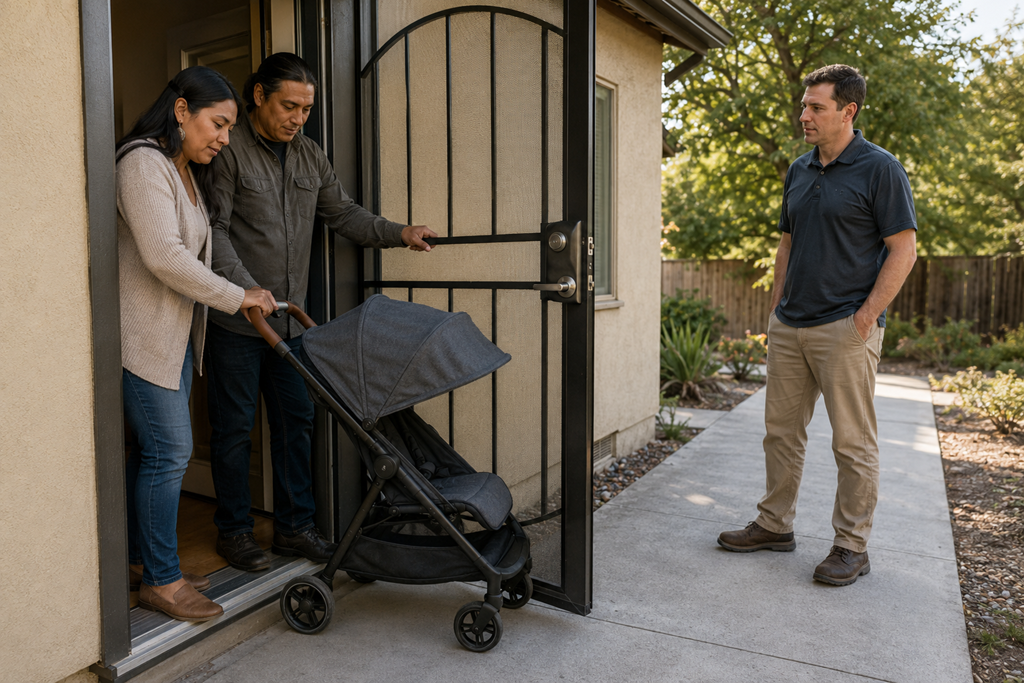
Security screens can make a Sacramento-area home feel more usable and secure, but only when they fit the way the household actually moves, opens windows, carries items, manages pets, uses locks, and lets in air. The important question is not simply whether a screen fits the opening. It is whether the screen works comfortably during ordinary routines.
That distinction is easy to miss during an estimate. A security screen may look appropriate when viewed as a product, yet feel different once it becomes part of the household’s daily movements. Door swing, handle placement, visibility, ventilation, cleaning access, and the effort required to open or close the screen can all affect whether the installation feels natural over time.
A Screen Can Fit the Opening Without Fitting the Routine
Most installation discussions begin with measurements. The professional needs to know whether the opening can accommodate the proposed frame, hinges, locking hardware, and screen material.
Those measurements matter, but they do not reveal everything about everyday use.
A security door may fit neatly within the entry while still reducing the space available for someone carrying groceries. A window screen may fit the frame but make a crank, latch, or sliding panel harder to reach. A screen that appears transparent from one angle may affect the view differently when interior and exterior lighting changes.
These are not necessarily signs that security screens are a poor choice. They are signs that dimensional fit and practical fit are two different parts of the decision.
Ordinary Movements Reveal the Most
Homeowners often understand a proposed installation better when they think through specific moments rather than broad features.
Consider how the entrance is used when someone:
- carries a package or laundry basket
- guides a bicycle, stroller, or mobility aid through the doorway
- holds a pet leash while unlocking the door
- opens the entrance for a delivery
- moves between the house and yard several times
- tries to create ventilation without leaving the primary door open
At a window, daily use may involve opening a crank, adjusting blinds, reaching a latch, cleaning the glass, or controlling how much air enters the room.
A screen that works well during these ordinary actions is more likely to feel integrated into the home. A screen that interrupts them may become a source of repeated inconvenience, even when the installation itself is technically sound.
Door Swing Changes the Way an Entry Feels
Security doors and primary doors usually need their own operating space. How those two movements relate can affect where a person stands, how easily the doors can be opened in sequence, and whether nearby walls, railings, steps, furniture, or landscaping interfere.
This becomes especially noticeable at narrow porches, recessed entrances, side-yard doors, and entries with limited landing space.
The homeowner may need to open one door, reposition, and then open the other. That may be perfectly manageable, but it is better to understand the sequence before the screen is permanently installed.
A temporary full-size panel, careful measurement of the swing path, or a practical demonstration can reveal more than looking at a small material sample.
Airflow and Visibility Are Part of Everyday Comfort
Security mesh is designed differently from lightweight insect screening. The density, weave, frame, and placement of the material can affect how air and light move through an opening.
The difference may be modest in one room and more noticeable in another. Window orientation, nearby walls, landscaping, interior curtains, and the size of the opening can all influence the result.
This can matter in Sacramento-area homes where homeowners may use windows and screened doors to release warm indoor air, create cross-ventilation, or enjoy cooler parts of the day.
Visibility can also change with lighting. During daylight, the view through a screen may feel open from certain positions. At night, interior lighting or reflections may make the mesh more noticeable.
Rather than relying only on a description such as “high visibility” or “good airflow,” homeowners can ask to see a representative full-size section and consider how it may look from the rooms where it will be used.
Handles and Locks Should Feel Natural
A security screen is handled repeatedly. Small details such as the height of the handle, the direction of the lever, the force needed to close the door, and the location of the lock can shape the experience.
The screen should not require an awkward reach or an unfamiliar sequence that household members are unlikely to use consistently. This may be especially relevant for older adults, children, people with limited hand strength, or anyone using the entrance while carrying items.
Window screens can present similar questions. Homeowners may need to understand how an existing latch, crank, sliding panel, or escape opening will work after the new screen is in place.
The goal is not to assume that every household member will interact with the screen in exactly the same way. It is to identify who will use it and whether the proposed setup makes sense for them.
Cleaning and Maintenance Still Need Access
Screens collect dust, pollen, cobwebs, water spots, and outdoor debris. Sacramento’s dry periods, seasonal rain, nearby trees, irrigation, and sun exposure may make maintenance more noticeable in some locations.
The screen material may be durable, but the surrounding glass, sill, track, frame, and hardware still need attention.
Before installation, it helps to understand how those areas can be reached. A homeowner may want to know whether a panel opens, detaches, stays fixed, or requires professional service for certain adjustments.
This is less about learning a cleaning procedure and more about avoiding a design that makes ordinary upkeep unnecessarily difficult.
Different Households Will Notice Different Tradeoffs
There is no single daily-use standard that applies to every home.
A household that frequently opens its front door for ventilation may care strongly about airflow and visibility. A family with a large dog may pay more attention to door control and lower-screen durability. Someone who receives regular deliveries may focus on unlocking and opening the two-door entry quickly.
Other homeowners may rarely open certain windows and care more about the appearance of the screen from inside the room.
This is why another homeowner’s experience, even with the same product, may not fully predict how the screen will feel in a different property. The opening, surroundings, household routines, and expectations all matter.
Questions That Can Make an Estimate More Useful
A few practical questions can help move the conversation beyond product features:
- Can you show how the primary door and security door will operate together?
- Will the screen affect access to the existing handle, latch, crank, or lock?
- How might the mesh affect airflow and visibility in this particular opening?
- Can a full-size sample or temporary panel be positioned near the opening?
- How will the glass, track, frame, and screen be accessed for cleaning?
- What adjustments may be needed if the door settles or the hardware changes?
- Are there nearby walls, railings, steps, or furnishings that could affect daily operation?
Clear answers should relate to the actual opening rather than only to general product specifications.
Product Features Should Not Replace a Use Test
One common misunderstanding is assuming that choosing stronger materials or upgraded hardware automatically produces the best experience.
Those features may be valuable, but they do not answer how the installation will function in daily life.
Another mistake is evaluating the screen only while standing directly in front of it. Visibility may look different from a chair, hallway, kitchen counter, or exterior walkway. Door clearance may feel adequate until someone tries to carry a bulky object through the opening.
Homeowners may also assume they will adapt to any inconvenience. Sometimes they do. In other cases, small points of friction become more noticeable because the screen is used every day.
A brief use test before installation can help separate acceptable tradeoffs from problems that should be discussed.
A Good Installation Supports the Way the Home Is Used
Security screens should be evaluated as working parts of the home, not isolated products attached to doors or windows.
Before choosing an installation, Sacramento-area homeowners can look beyond measurements and ask how the screen will affect movement, airflow, visibility, hardware access, cleaning, and the routines that occur around the opening.
The most suitable choice is not simply the screen that fits the frame. It is the one whose dimensions, operation, and placement make sense for the people who will use it every day.