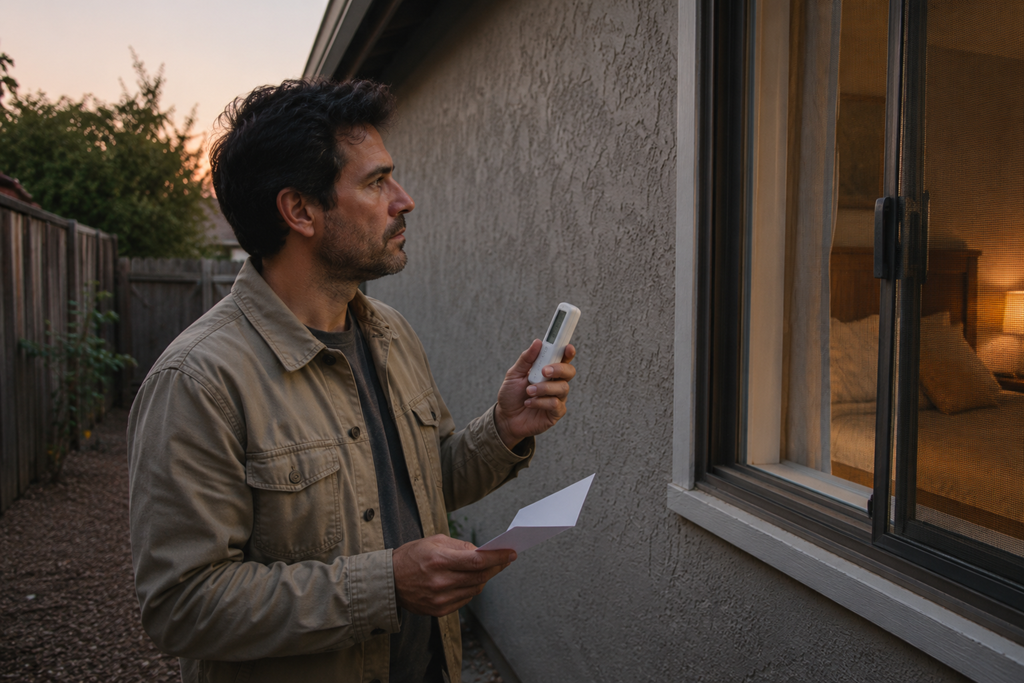
A whole house fan can help a home feel more comfortable in the evening by pulling cooler outdoor air through open windows and pushing warmer indoor air toward the attic and outside. The key thing to understand is that it does not cool the air the way air conditioning does. It works best when the outdoor air has cooled down enough to make that exchange worthwhile.
For Sacramento-area homeowners, this distinction matters because warm afternoons can leave a house holding heat even after the sun starts to go down. A whole house fan is often part of an evening comfort strategy, not a direct replacement for every cooling need.
Evening Cooling Is About Timing, Not Just Airflow
Many homeowners first hear about whole house fans because they want relief from a warm, stuffy house at the end of the day. The idea sounds simple: bring in cooler air, push out warmer air, and help the home feel fresher.
That is the basic concept, but timing makes a big difference.
If the air outside is still hot, a whole house fan may move air without making the home feel much cooler. When the outdoor air becomes noticeably cooler than the air inside the home, the fan has a better chance of creating the comfort people usually expect.
This is why evening use comes up so often in conversations about whole house fans. The system depends on the relationship between indoor heat and outdoor air, not just the fan itself.
Why Homes Can Stay Warm After The Sun Goes Down
A Sacramento-area home can still feel warm in the evening because heat does not disappear the moment outdoor temperatures start dropping. Walls, attic spaces, furniture, flooring, and upstairs rooms can hold onto warmth from the day.
That lingering heat is one reason a home may feel uncomfortable even when the air outside has started to improve. The house may need help exchanging trapped indoor air for cooler outdoor air.
A whole house fan is designed around that exchange. Instead of chilling air, it helps move air through the home when conditions are favorable. That can make the home feel less stale, reduce the sense of trapped heat, and support more comfortable evening airflow.
A Whole House Fan Is Not The Same As Air Conditioning
One common misunderstanding is expecting a whole house fan to behave like an air conditioner. Air conditioning lowers air temperature mechanically. A whole house fan relies on outdoor air that is already cooler than the air inside.
That difference affects expectations.
A whole house fan may feel useful during cooler evenings, early mornings, or other times when outdoor air can help refresh the home. It may feel less helpful during periods when outdoor air remains warm, smoky, dusty, humid, or uncomfortable.
That does not mean the system is ineffective. It means homeowners should understand what problem it is meant to solve. A whole house fan is about ventilation and air exchange. Air conditioning is about refrigerated cooling.
The Home Itself Affects The Experience
The way a whole house fan performs depends on more than the fan unit. Home layout, window placement, attic ventilation, insulation, ceiling location, and household habits can all affect the experience.
For example, a homeowner may be thinking mostly about the hallway ceiling where the fan might be installed. A qualified installer may also want to understand how air will enter the home, how it will move through rooms, and where it will exit through the attic space.
This is why a good conversation with a local pro should include more than fan size or price. It should include how the fan fits the home’s layout and how the homeowner expects to use it during evening cooling.
The Best Results Usually Come From Matching Expectations To Conditions
Whole house fans tend to make the most sense when homeowners understand the conditions they depend on. The system may be useful when the home is warmer than the outdoor air and the homeowner is comfortable opening windows.
It may be less useful when the homeowner expects closed-window cooling, room-by-room temperature control, or the same feeling provided by central air conditioning.
That expectation gap is where many people get confused. They may hear that a whole house fan can help cool a home and assume it works the same way as AC. A better way to think about it is this: a whole house fan helps the home take advantage of cooler outdoor air when that air is available.
That framing makes the decision easier to discuss with an installer.
Questions Worth Asking Before Comparing Installers
Before comparing whole house fan installation options, Sacramento homeowners may want to ask practical questions that connect the system to their actual home and routine:
- Where would the fan likely be placed, and why?
- How would air move through the home when windows are open?
- What attic ventilation considerations matter for this property?
- When is the fan most likely to be useful for evening cooling?
- What should the homeowner not expect the system to do?
- How loud is the system likely to feel from common living areas or bedrooms?
- What preparation or home conditions could affect the estimate?
These questions help shift the conversation away from “Will this cool my house?” and toward “How would this work in my specific home?”
That is a better starting point for a local service decision.
Be Careful With Overly Simple Claims
Whole house fans are sometimes described in very simple terms, but real homes are not all the same. Be cautious if the conversation skips over window use, attic ventilation, home layout, noise expectations, or the difference between airflow and air conditioning.
A clear installer should be able to explain the basic idea in plain language without pressuring the homeowner or making the system sound like a perfect solution for every situation.
For many homeowners, the right answer is not just whether a whole house fan is “good” or “bad.” The better question is whether it fits the home, the climate patterns the household actually experiences, and the way the homeowner expects to use it.
A Clearer Way To Think About Evening Cooling
A whole house fan can be a useful comfort upgrade when it is understood correctly. It is not designed to create cold air. It is designed to move cooler outdoor air through the home when outdoor conditions make that useful.
For Sacramento-area homeowners, the decision becomes easier when they focus on timing, airflow, home layout, attic ventilation, and realistic expectations. Before hiring a local pro, it helps to ask how the system would work in the specific home rather than assuming every installation creates the same result.
The main takeaway is simple: whole house fans are about using cooler evening air wisely. When homeowners understand that, they can ask better questions, compare installation options more carefully, and make a more informed decision before committing to the project.