Adding pavers to a yard is not only a surface-design decision. Before choosing a color, pattern, or border, it helps to understand how the space must drain, where people will walk, what furniture or equipment will occupy it, and how the new paved area will meet doors, planting beds, irrigation, and existing concrete. A layout that looks attractive in a sample photo can still feel cramped, collect water, interrupt everyday routes, or create awkward transitions once it is built.
For many Sacramento-area homeowners, the first conversations about pavers focus on appearance. It is natural to compare colors, patterns, and materials, but those choices come after a more important question: What does this part of the yard need to do every day?
A patio may need room for chairs to slide back without blocking a walkway. A side-yard path may need to accommodate trash bins, gardening equipment, or access to utility areas. A driveway extension may need to connect smoothly with existing concrete. The success of the installation depends on how well those practical needs are understood before the final layout is approved.
Start With the Yard’s Daily Job
Before deciding where pavers should go, picture the ordinary activities that will happen there.
A patio that appears spacious while empty may feel noticeably smaller after adding a dining table, grill, planters, and storage. A walkway may look wide enough until someone tries to move a wheelbarrow through it or carry something around an open gate. A paved seating area may interrupt the natural route between the house, lawn, garden, and side yard.
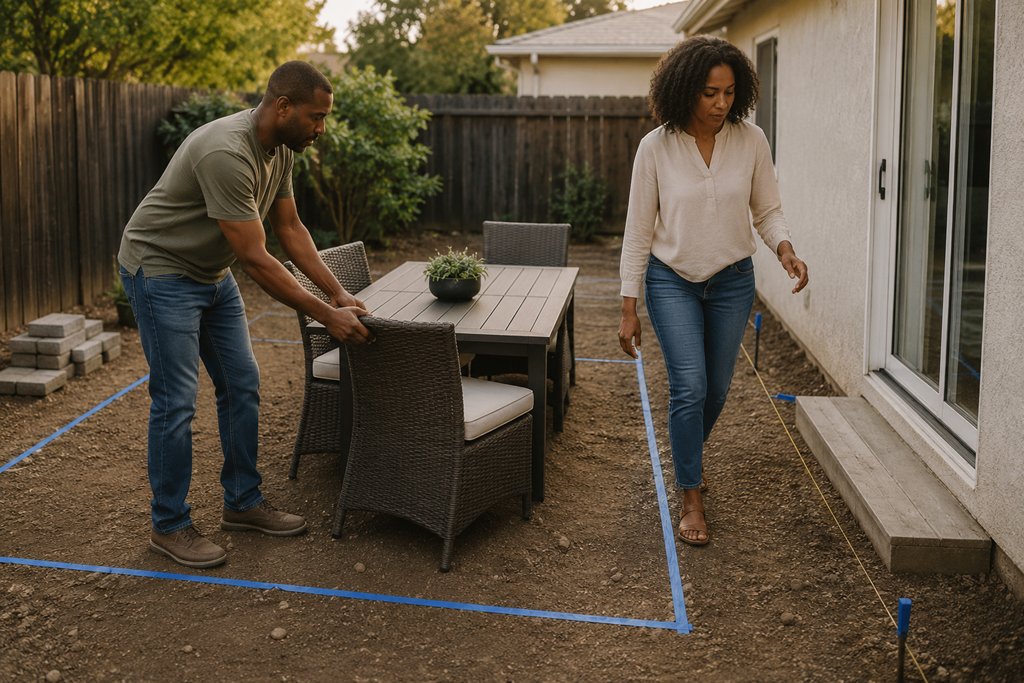
One helpful approach is to mark the proposed footprint temporarily and place actual outdoor furniture within it. This does not determine every construction detail, but it can reveal circulation problems that are difficult to recognize from a drawing or material sample.
The goal is not simply to fit everything into the paved area. The space should still feel comfortable when people are moving through it, using furniture, opening doors, and maintaining the surrounding yard.
The Finished Surface Hides Much of the Important Work
Homeowners see the pavers, but the long-term performance of the installation also depends on what happens underneath and around them.
Site preparation may involve excavation, grading, compacted base materials, bedding material, edge support, and adjustments around existing conditions. Soil movement, tree roots, irrigation lines, drainage routes, and access limitations can all influence the installation plan.
This is why two estimates that mention the same paver product may not describe the same project. One may include detailed preparation and removal work, while another may focus mainly on the visible surface.
Before comparing quotes, ask each provider to explain what preparation is included and how the site’s existing conditions affect the proposed approach. A clear estimate should help you understand the complete installation rather than presenting the pavers as an isolated product.
Water Still Needs Somewhere to Go
Pavers do not remove the need for a drainage plan.
Water from seasonal rain, roof downspouts, irrigation, pool use, or routine cleaning will continue moving through the yard after the project is completed. The proposed surface should account for where that water currently comes from and where it should travel.
A paved area that appears perfectly flat may not move water in a useful direction. Water can collect near a low edge, drain toward the house, remain beside a gate, or flow into a planting area that was not designed to receive it.
Ask the installer how the completed surface will interact with existing drainage patterns, downspouts, soil areas, and nearby structures. The answer does not need to be overly technical, but it should be specific to your property rather than based on a general assurance that drainage will be handled.
Sun and Shade Can Change How the Surface Feels
Material samples are often viewed indoors, under a covered patio, or during a brief consultation. The same paver can look and feel different when exposed to the actual light conditions in the yard.
Color, texture, material composition, and sun exposure can influence how warm the finished surface feels. This may matter in areas where people walk barefoot, children play, pets rest, or outdoor furniture remains in direct sun.
Sacramento-area yards can include strong sun exposure as well as shaded areas created by the house, fences, trees, and patio covers. Viewing samples in the proposed location at different parts of the day can provide a more useful impression than examining them only under indoor lighting.
Appearance still matters, but it should be considered alongside comfort and intended use.
Small Transitions Can Affect the Entire Project
The places where pavers meet other surfaces deserve careful attention.
These transitions may include:
- Exterior doors and sliding-door thresholds
- Existing concrete patios or walkways
- Garage floors and driveways
- Lawn and planting beds
- Pool decks
- Gates and side-yard access points
- Steps, drains, and utility areas
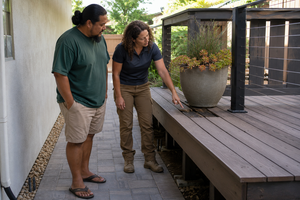
A poorly planned transition can create an awkward step, an uneven edge, a narrow opening, or a place where water and debris collect. It may also make it harder to move wheeled items such as carts, bins, strollers, mobility devices, or outdoor equipment.
Ask how the installer plans to handle the height, edge, and alignment of each transition. These details may seem minor on a plan, but they are often the parts people notice during everyday use.
More Pavers Are Not Always More Useful
It can be tempting to pave the largest possible area, especially when trying to reduce mud, weeds, or yard maintenance. However, expanding the paved footprint can affect more than appearance.
A larger installation may change drainage patterns, irrigation coverage, planting space, shade conditions, and access to trees or utility areas. It can also make the yard feel harder or more enclosed when there is little visual separation between paved zones.
In some yards, a smaller patio connected to a practical walkway works better than one uninterrupted paved surface. In others, a larger area may be appropriate because it supports frequent gatherings, outdoor cooking, accessible movement, or another clear need.
The important question is not how many pavers can fit. It is how much paved space will make the yard easier to use.
The Estimate Should Describe the Whole Installation
When reviewing paver installation estimates, look beyond the product name and total project price.
A useful estimate should make the scope understandable. Depending on the project, that may include site preparation, removal of existing materials, base work, drainage considerations, edge support, cuts, transitions, disposal, access limitations, cleanup, and treatment of nearby landscaping or irrigation.
Unclear wording does not automatically mean a provider is unsuitable, but it is a reason to ask for clarification before agreeing to the work.
You should be able to tell what is included, what could change after the site is opened, and how unexpected conditions would be discussed. This makes estimates easier to compare and reduces the chance that two very different scopes will appear equivalent.
Questions Worth Asking Before You Commit
A few focused questions can make the planning conversation more useful:
- How does this layout support the way we actually use the yard?
- How will water move across and away from the paved area?
- What preparation and base work are included?
- How will the pavers meet doors, concrete, gates, lawn, and planting beds?
- Will irrigation, roots, drains, or utilities affect the layout?
- What site access or material-removal issues should be considered?
- How can individual pavers be maintained or repaired later?
- What parts of the estimate could change if hidden conditions are discovered?
A provider should be able to discuss these questions in plain language and connect the answers to the conditions in your yard.
A Better Paver Plan Begins Before Installation
Pavers can create a useful patio, walkway, driveway area, or outdoor gathering space, but the best results begin with more than selecting an attractive material.
Before hiring a local paver installer, think about movement, furniture, drainage, sunlight, transitions, landscaping, and the work included beneath the finished surface. When those issues are discussed early, it becomes easier to compare estimates and choose a layout that supports daily life rather than simply filling part of the yard with hardscape.