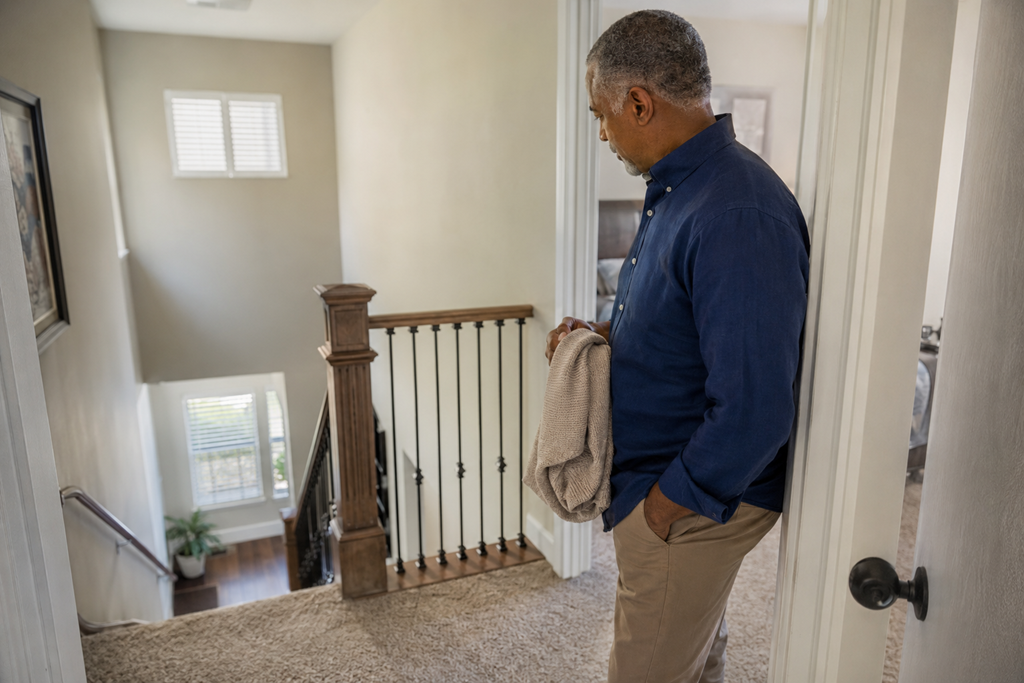
Some rooms stay hotter or colder than others because a home does not always heat and cool evenly. Airflow, duct layout, insulation, window exposure, room location, thermostat placement, and how the room is used can all affect comfort. In many Sacramento-area homes, one room may feel warm and stuffy while another feels comfortable, even when the HVAC system is running.
This can be frustrating because it makes the problem feel simple at first. You may turn the thermostat down, wait for the system to catch up, and still find that one bedroom, office, bonus room, or upstairs area never feels right. The issue is not always that the whole system is failing. Sometimes the room is receiving less conditioned air, gaining more heat, losing warmth faster, or being measured poorly by the thermostat.
Understanding that difference can help you ask better questions before scheduling an HVAC service visit or comparing local providers.
When One Room Never Feels Like The Rest Of The House
Uneven room temperatures often show up in everyday ways. A bedroom may feel too hot at night. A home office may get uncomfortable in the afternoon. A nursery, guest room, converted garage, or upstairs space may feel different from the main living area. Sometimes the rest of the home feels fine, which makes the problem harder to explain.
That mismatch can lead people to keep adjusting the thermostat for the whole house just to help one room. The result may be that some rooms become too cold while the problem room still feels uncomfortable. This is one reason uneven comfort is worth paying attention to before assuming the solution is only a lower thermostat setting.
For Sacramento residents, this can be especially noticeable during periods of strong sun exposure, dry heat, or seasonal temperature swings. Rooms facing more direct sunlight, rooms above garages, and spaces farther from the main HVAC equipment may feel different from central areas of the home.
Uneven Temperatures Usually Have More Than One Cause
One of the most common misunderstandings is assuming there must be one obvious reason a room feels different. In reality, uneven comfort is often caused by several smaller factors working together.
A room may have limited airflow, older windows, more exterior walls, poor attic insulation nearby, or a door that stays closed most of the day. A long duct run may reduce the amount of heated or cooled air reaching the room. A thermostat in a hallway may read the temperature in one part of the home while missing what is happening in rooms farther away.
That does not mean every issue is serious. It simply means the visible symptom, “this room feels wrong,” may not tell the whole story by itself.
A helpful HVAC conversation usually starts with narrowing down the pattern. Does the room feel worse at a certain time of day? Is the issue seasonal? Is it mostly upstairs? Does it happen when doors are closed? Does the room have large windows, high ceilings, or unusual sun exposure? These details can help a local HVAC professional understand whether the issue may involve airflow, heat gain, insulation, ductwork, thermostat placement, equipment performance, or a combination of factors.
Airflow Can Change From Room To Room
Even when an HVAC system is working, air may not reach every room equally. Some rooms are closer to the system. Others are farther away. Some may have vents that deliver less air, return air pathways that are limited, or duct routes that are less efficient.
This is why one room can feel uncomfortable while another feels fine. The system may be producing conditioned air, but the air may not be moving through the home in a balanced way.
It is also easy to overlook how daily habits affect airflow. Closed bedroom doors, blocked vents, furniture placement, and room layout can all change how air moves. That does not mean homeowners should start making technical adjustments on their own. It means these observations are useful to share during an HVAC appointment.
Before hiring someone or approving work, it is reasonable to ask how the provider plans to evaluate airflow instead of only focusing on the thermostat setting.
Sun Exposure, Windows, And Insulation Can Shift Comfort
A room’s temperature is also affected by how much heat it gains or loses. A room with large windows, more exterior walls, or strong afternoon sun can feel warmer than the rest of the home. A room with weaker insulation nearby may lose conditioned air faster. A room above a garage or next to an attic space may respond differently than a centrally located room.
This is why two rooms with the same thermostat setting can feel very different.
In some cases, the HVAC system is only one part of the comfort issue. The room itself may be gaining heat faster than the system can offset it or losing warmth faster than nearby spaces. This is an important distinction because it can affect what kind of service conversation makes sense.
A provider who only talks about equipment size without discussing the room conditions may be missing part of the picture. On the other hand, a provider who only focuses on windows or insulation without considering airflow may also be looking too narrowly. The most useful explanation usually connects the room’s condition to how the HVAC system is moving and maintaining air.
The Thermostat May Not Tell The Whole Story
A thermostat measures temperature where it is located, not necessarily where the discomfort is happening. If the thermostat is in a hallway, living room, or central area, it may signal that the home has reached the set temperature even though a far bedroom or upstairs room still feels too warm or too cold.
This can make the system seem confusing. From the thermostat’s point of view, the job may appear finished. From the homeowner’s point of view, one room is still uncomfortable.
That gap matters because it can lead to repeated adjustments that never solve the room-specific issue. Lowering or raising the thermostat may change the whole home, but it may not fix the reason one area is lagging behind.
When discussing the issue with an HVAC professional, it can help to describe the room rather than only the thermostat setting. For example, “the back bedroom stays warmer than the hallway in the late afternoon” is more useful than “the AC does not work right.” The first statement gives the provider a pattern to investigate.
What To Notice Before Scheduling An HVAC Visit
You do not need to diagnose the problem yourself before calling a local HVAC pro. Still, a few plain observations can make the conversation more productive.
Notice when the room feels different. Morning, afternoon, evening, and overnight patterns can point to different causes. Pay attention to whether the door is usually open or closed. Think about whether the room has large windows, direct sun, high ceilings, or is located above a garage or at the end of the home.
Also notice whether the issue is new or long-standing. A room that has always felt different may suggest a layout, airflow, duct, insulation, or design issue. A room that suddenly changes may raise different questions about the system, vents, filters, duct conditions, or recent changes in how the space is used.
These details help you move the conversation away from vague discomfort and toward a clearer service discussion.
Questions That Can Make The Estimate More Useful
When a room stays hotter or colder than others, the best question is not always, “How much will it cost to fix?” A better first question may be, “What do you think is causing this specific room to feel different?”
You can also ask:
“Will you check whether the room is getting enough airflow?”
“Could the room’s windows, insulation, or sun exposure be part of the issue?”
“Is the thermostat location affecting how the system responds?”
“Are there lower-impact options to evaluate before discussing major equipment changes?”
“If you recommend a repair or upgrade, what problem is it meant to solve?”
These questions do not require technical knowledge. They simply help you understand whether the provider is connecting the recommendation to the actual comfort problem.
If a recommendation jumps straight to a major replacement without explaining the room-specific cause, that does not automatically mean it is wrong. But it is fair to ask for the reasoning. Clear communication matters when comparing local HVAC providers because the same symptom can lead to different recommendations depending on what is inspected and how the problem is explained.
Why This Issue Is Easy To Misread
Uneven temperatures can feel like proof that the HVAC system is too weak, too old, or not working. Sometimes equipment condition is part of the discussion. But uneven room comfort can also come from airflow restrictions, duct layout, room design, poor insulation, sun exposure, thermostat location, or changes in how the home is used.
That is why this issue can be easy to misread. The discomfort is obvious, but the cause may not be.
For homeowners, renters, and families, the practical goal is not to become an HVAC expert. The goal is to understand enough to avoid rushed assumptions. A room that stays hotter or colder than the rest of the home deserves a focused explanation, not just a quick thermostat adjustment or a vague recommendation.
A Better Way To Approach Room-To-Room Comfort Problems
When one room consistently feels different, start by thinking of it as a room-specific comfort pattern. Where is the room located? When does it feel worst? How does it compare with nearby rooms? What changes when the door is open or closed? Has the issue always been there, or did it recently appear?
Those observations can help a Sacramento-area HVAC professional evaluate the issue more clearly. They can also help you compare estimates with more confidence because you can look for recommendations that explain the cause, not just the symptom.
Some rooms stay hotter or colder because the system needs attention. Others feel different because of airflow, building conditions, or room layout. The more clearly the issue is described, the easier it becomes to have a useful conversation before hiring, scheduling, or approving work.