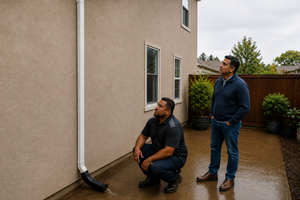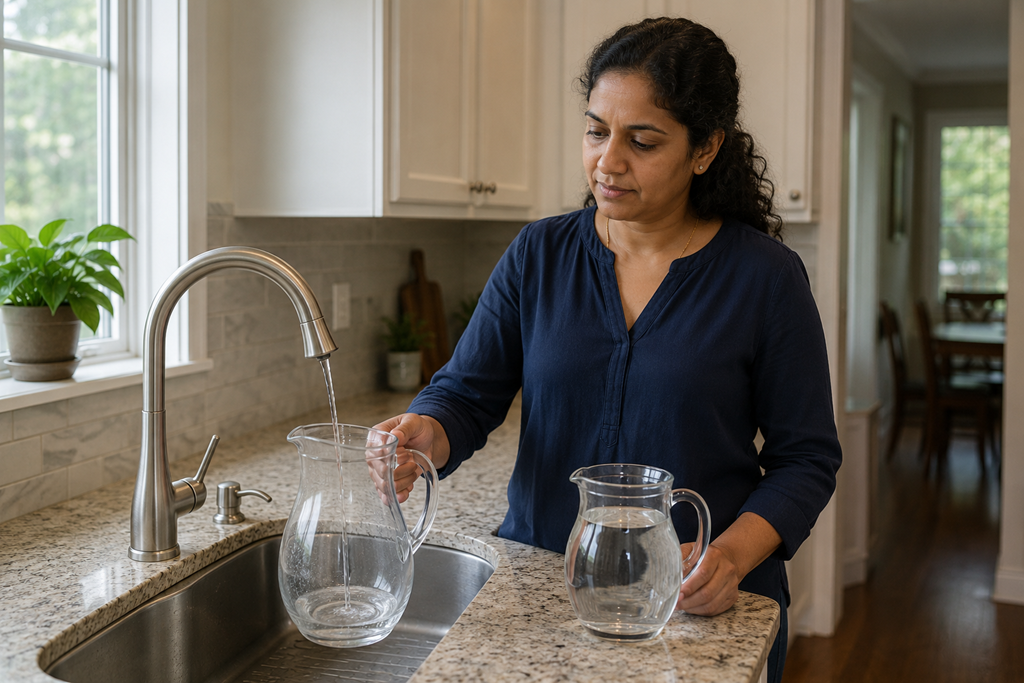
A sudden change in water pressure usually means something has changed either at one fixture, within the home’s plumbing system, or in the water supply serving the property. The change may be temporary and minor, but it can also be an early sign of a leak, restricted pipe, failing pressure regulator, partially closed valve, or another issue worth having evaluated.
The most useful first step is not trying to diagnose the plumbing yourself. It is noticing where the pressure changed, whether it affects hot water, cold water, or both, and whether the change continues. Those details can help a Sacramento-area plumber narrow the possibilities before recommending a repair.
A Pressure Change May Feel Different From One Home to Another
Some water pressure changes are immediately noticeable. A shower that normally feels steady may suddenly produce a weak spray. A kitchen faucet may take longer to fill a pot. A toilet may refill more slowly than usual.
Other changes are less obvious. Water may begin coming out with more force, faucets may become noisier, or pipes may make sounds that were not present before. Pressure may also fluctuate rather than remaining consistently high or low.
This uncertainty is one reason homeowners and renters sometimes delay asking about the problem. The water is still running, so it may not seem like a plumbing issue that deserves attention. However, a noticeable change from the property’s normal pattern is useful information even when the system has not stopped working completely.
One Fixture and the Whole Property Point in Different Directions
A pressure problem affecting only one faucet or shower usually suggests a more localized concern. The fixture, faucet aerator, showerhead, supply connection, or nearby plumbing may need attention.
A change affecting several fixtures may point to a broader issue within the property or with the incoming water supply. For example, a homeowner might notice that the shower, kitchen faucet, and washing machine all seem weaker at the same time.
Before contacting a plumber, it can help to notice whether the change appears in:
- One faucet, toilet, shower, or appliance
- Several fixtures in the same area
- Both upstairs and downstairs fixtures
- Every part of the property
This does not provide a final diagnosis, but it gives the plumber a clearer starting point. It may also help determine whether the next conversation should be with a plumbing professional, a property manager, or the local water provider.
Low Pressure and High Pressure Raise Different Questions
Low water pressure tends to receive more attention because it interferes with everyday routines. Showering, washing dishes, filling containers, and running water-using appliances may all take longer.
Possible causes can range from a restricted fixture to a partially closed valve, plumbing buildup, a hidden leak, or a supply-related issue. The correct explanation depends on where the change appears and how suddenly it began.
High water pressure can be easier to overlook because stronger flow may initially seem helpful. However, unusually forceful pressure may place additional strain on faucets, supply lines, toilets, appliances, and other plumbing components. A plumber may want to evaluate the pressure regulator or other parts of the incoming water system when pressure suddenly becomes stronger throughout the property.
The important distinction is not simply whether the pressure feels “good” or “bad.” It is whether the pressure has changed significantly from what is normal for the home.
Hot-Water-Only Changes Narrow the Issue
If cold water pressure remains normal but hot water pressure has weakened, the issue may be connected to the water-heating side of the plumbing system rather than the entire incoming supply.
The opposite pattern is also useful to report. A change affecting both hot and cold water may suggest a different group of possible causes than one affecting hot water alone.
A plumber may ask whether the pressure changes when:
- Only cold water is running
- Only hot water is running
- More than one fixture is being used
- A washing machine, dishwasher, or irrigation system is operating
You do not need to conduct an extensive test. Simply describing what you have already noticed during normal household use can make the service conversation more productive.
Timing Can Help Explain What Is Happening
A brief pressure change is not always the same as a persistent one.
Temporary changes may sometimes occur when multiple fixtures or water-using appliances operate at once. Supply work outside the property may also affect pressure for a limited period. In a rental or multi-unit property, water use elsewhere in the building may influence what a resident experiences.
A pressure change that continues, becomes more noticeable, or returns repeatedly deserves a closer look. The same is true when the change appears along with other signs, such as:
- Unexplained water sounds
- Damp areas or visible moisture
- Discolored water
- Faucets that spit or surge
- New pipe movement or banging
- Unexpected changes in water use
These details do not automatically mean a major repair is needed. They simply give the plumber more context for deciding what should be inspected.
Avoid Assuming the Water Provider Is Always the Cause
When pressure drops throughout a home, it is natural to assume the problem must be outside the property. Sometimes that is true, especially when nearby properties are experiencing the same change.
However, a whole-home pressure problem can also originate within the property. A shutoff valve, pressure regulator, leak, aging pipe, or another plumbing component may be involved.
Checking whether nearby residents have noticed a similar change may provide context, but it should not replace a plumbing evaluation when the problem persists or appears to be isolated to your property.
Sacramento-area homeowners should also avoid approving a repair based only on a quick assumption about the cause. A qualified plumber should be able to explain what was observed, what was tested, and why the proposed work relates to the pressure change.
Intermittent Problems Still Provide Useful Information
Water pressure that returns to normal before the plumber arrives can be frustrating. It may also make the homeowner wonder whether scheduling an evaluation is worthwhile.
Intermittent changes can still reveal an underlying pattern. The pressure might fall only when another fixture is used, fluctuate at certain times, or change when hot water is running. A valve or regulator may also behave inconsistently before failing completely.
When the issue comes and goes, note the circumstances rather than trying to recreate the problem through complicated testing. A simple description such as “the upstairs shower weakens whenever the washing machine fills” is more useful than saying only that the pressure is sometimes low.
What to Explain When Contacting a Plumber
A clear description can help the plumber prepare for the appointment and avoid beginning with vague assumptions.
Useful information includes:
- Whether the pressure became higher, lower, or inconsistent
- Which fixtures are affected
- Whether hot water, cold water, or both are involved
- Whether the change began suddenly or developed gradually
- Whether leaks, noise, moisture, or discoloration appeared
- Whether recent plumbing or appliance work occurred
- Whether other properties seem to have the same issue
You may also ask how the plumber plans to distinguish between a fixture problem, a property-wide plumbing problem, and a supply-side issue.
A professional should be able to describe the evaluation process in understandable terms without pressuring you into a repair before the cause is reasonably clear.
A Pressure Reading Is Only Part of the Explanation
A plumber may measure the incoming water pressure during an evaluation. That measurement can be helpful, but the number alone may not explain the entire situation.
Pressure can behave differently when no water is running compared with when several fixtures are in use. A single reading also may not reveal an intermittent restriction, leak, or regulator problem.
Ask what the measurement means in relation to the symptoms you described. The explanation should connect the observed pressure, the affected fixtures, and the recommended next step.
This is especially important when comparing plumbing estimates. One provider may recommend addressing a specific fixture, while another may identify a property-wide concern. Understanding the reasoning behind each recommendation is more useful than comparing the final prices without comparing the scope of work.
Do Not Let a Small Symptom Turn Into a Rushed Decision
A sudden pressure change does not automatically mean the plumbing system needs extensive work. It also should not be dismissed simply because water is still available.
The goal is to understand the pattern before making a service decision. A localized issue may require a limited repair. A whole-property change may call for a broader evaluation. A temporary supply disruption may resolve without work inside the home.
When speaking with a Sacramento-area plumber, look for an explanation that matches what you are actually experiencing. Be cautious when the proposed repair is not clearly connected to the affected fixtures, pressure measurements, or visible evidence.
The Main Takeaway
When water pressure suddenly changes, focus on the pattern rather than trying to name the cause yourself. Notice whether the change is high, low, or inconsistent; whether it affects one fixture or the whole property; and whether hot and cold water behave differently.
Those observations can help a qualified plumber evaluate the problem more efficiently and give you a clearer basis for reviewing any recommended repair. The better the explanation connects the symptoms to the proposed work, the easier it becomes to make an informed local service decision.